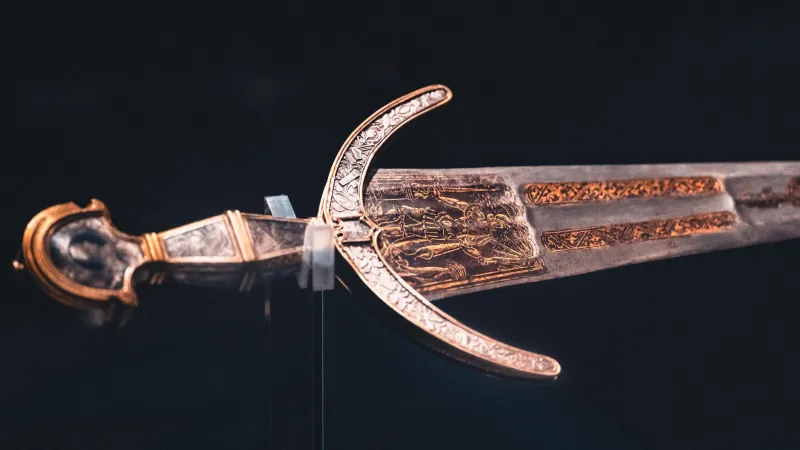
The Honest Ledger: What Cruelty Taught Us and What It Merely Took
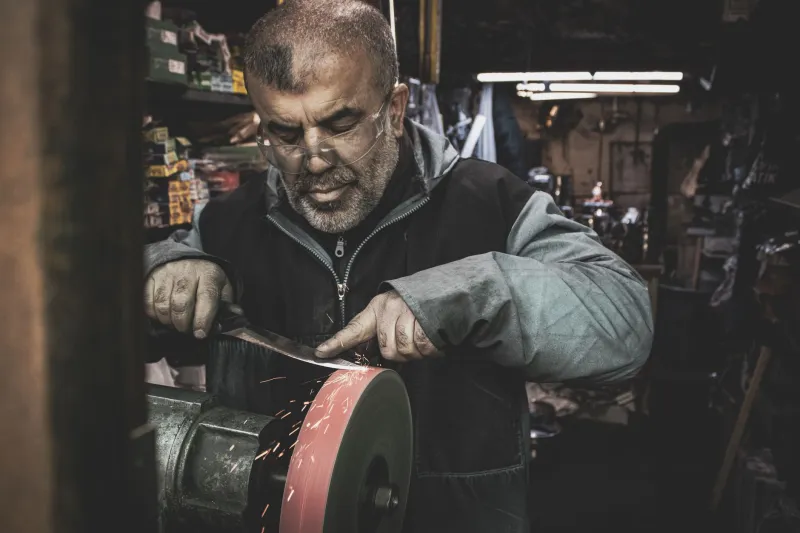
The old proverb says iron sharpens iron. It omits the sparks, the heat, the metal shaved away and never recovered. We speak of difficult mentors and harsh critics with a kind of retrospective reverence — the drill sergeant, the impossible editor, the parent whose love arrived dressed as criticism — and we tell ourselves the pain was tuition. But an honest examination demands more than gratitude or grievance. It demands a ledger.
The Paradox We Would Rather Not Sit With
Americans are raised on redemption arcs. Our films end with the estranged father earning his hug; our memoirs are expected to arrive at forgiveness by the final chapter. This cultural script leaves little room for the messier truth: that some of what made us capable came from people who did not particularly care whether we survived the process.
Consider the teacher who humiliated a student's writing in front of the class — and whose exacting contempt nonetheless taught that student to revise, to respect language, to refuse mediocrity. The lesson was real. So was the cruelty. Neither cancels the other, and pretending otherwise is a form of intellectual dishonesty.
Two Easy Exits, Both Dishonest
The first exit is bitterness. Bitterness simplifies: the tormentor becomes entirely villainous, and every quality we developed in spite of them gets filed under survival rather than growth. It is a comforting story, but it quietly robs us of our own agency — as if we learned nothing, only endured.
The second exit is cheap forgiveness: the rush to declare the wound a gift, the abuser a secret teacher, the suffering itself providential. This is the more seductive lie because it wears the clothing of wisdom. It turns gratitude into an anesthetic. Worse, it becomes a contract we never signed — if the harm was a gift, we owe the giver our patience when the harm returns.
Both exits share a flaw: they refuse to hold two true things at once.
The Practice of the Ledger
What would honest accounting look like? Begin by separating the lesson from the method. Ask: what did I learn that I could have learned another way? Discipline, resilience, discernment — these are taught in a thousand kitchens and classrooms without humiliation. What remains after that subtraction is the true residue of cruelty, and much of it is not a lesson at all but a cost: a flinch, a distrust of praise, the habit of bracing.
Then ask a second question, harder still: am I calling this gratitude, or am I calling it meaning-making? Humans are meaning-making creatures, and we will retrofit purpose onto almost anything to avoid the vertigo of senseless pain. There is dignity in saying plainly: this taught me something, and it also hurt me, and I did not deserve it, and I am not required to thank it.
Honoring Without Glorifying
There is a way to honor hard teachers that does not require absolving them. We can carry the skill forward while leaving the scar's origin story intact. The writer thanks the craft, not the cruelty. The adult child takes the work ethic and declines to pass down the rage that came with it.
This, finally, may be the most honorable act available to us: to take the sharpened edge and refuse to use it the way it was used on us. The blade remembers the whetstone. It does not have to become one.